
Principled collecting
Watch wisdom from the right, wrong, and ridiculous roads to building a collection

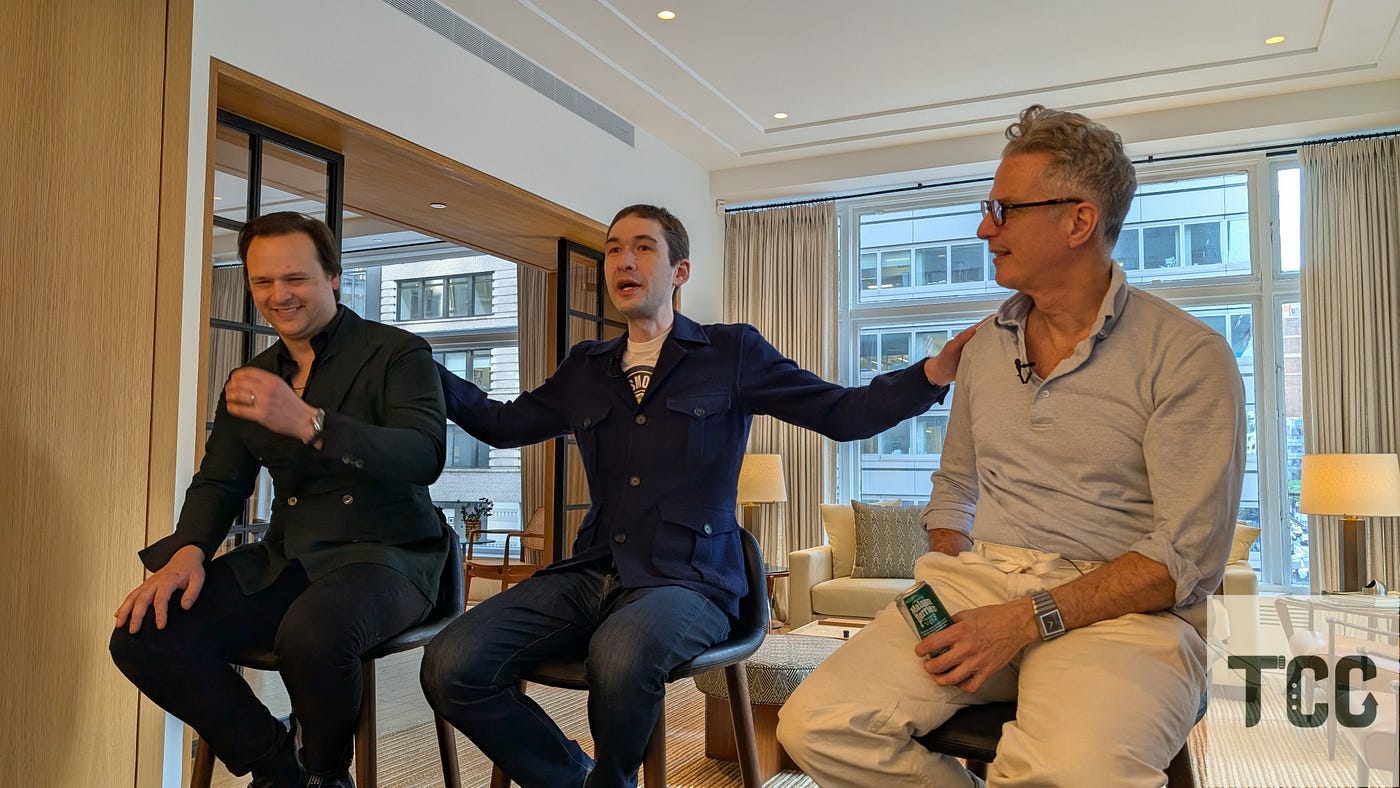
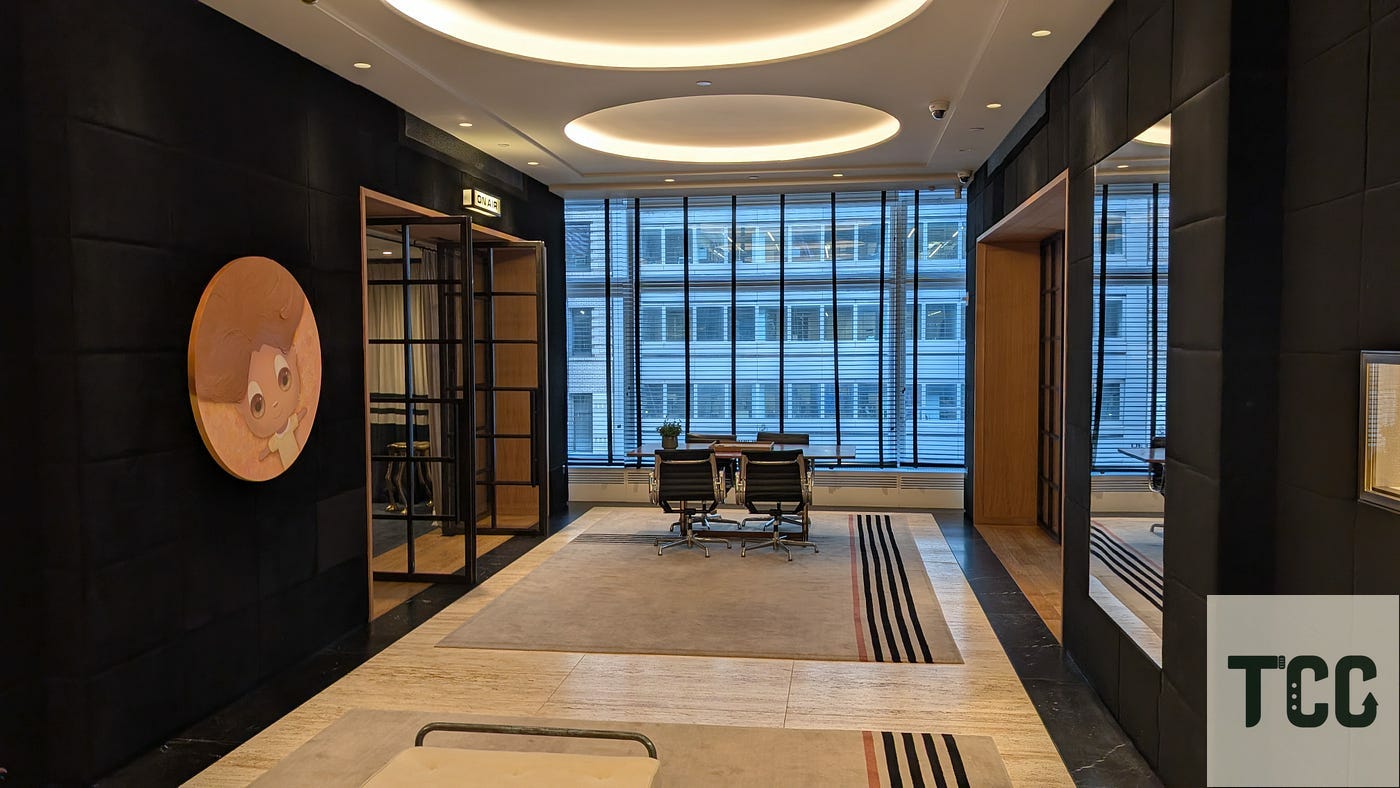
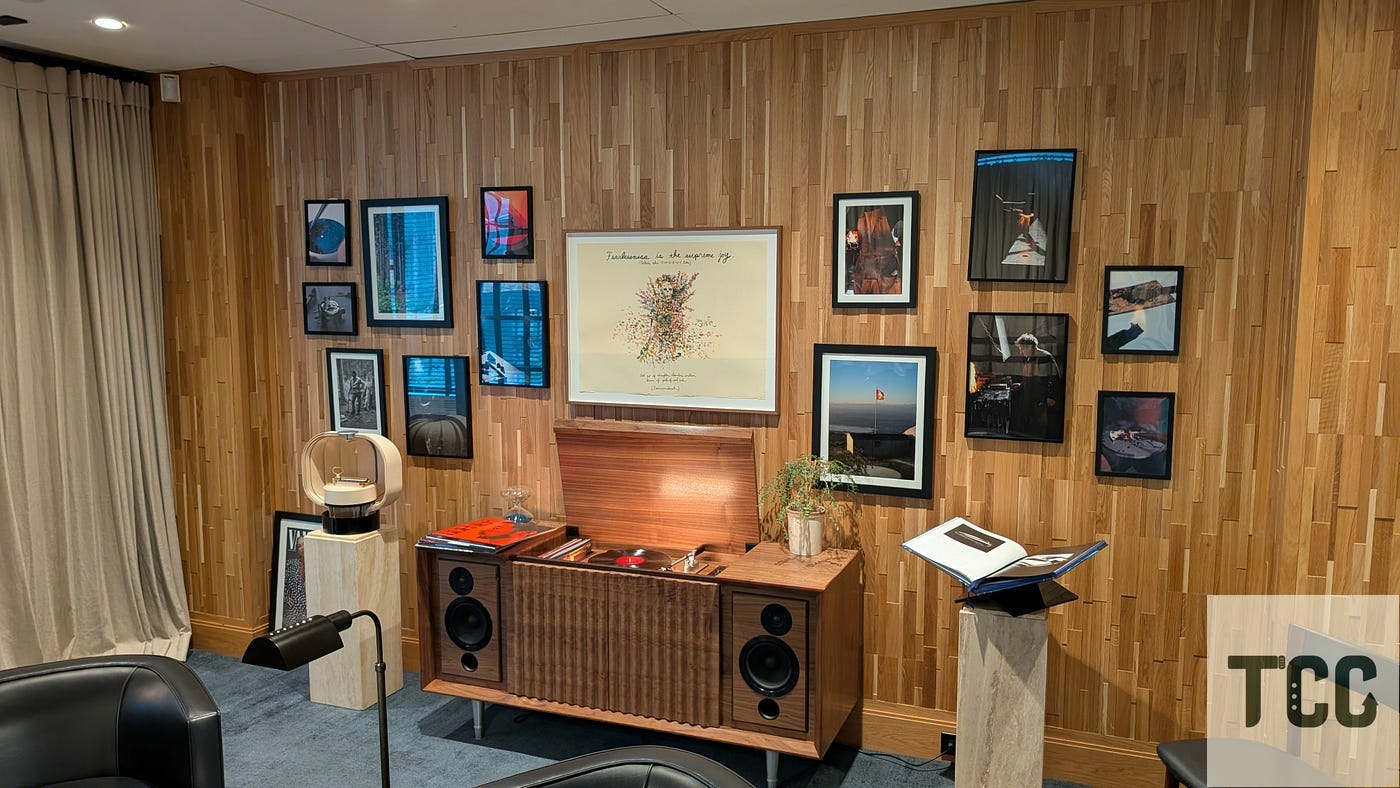
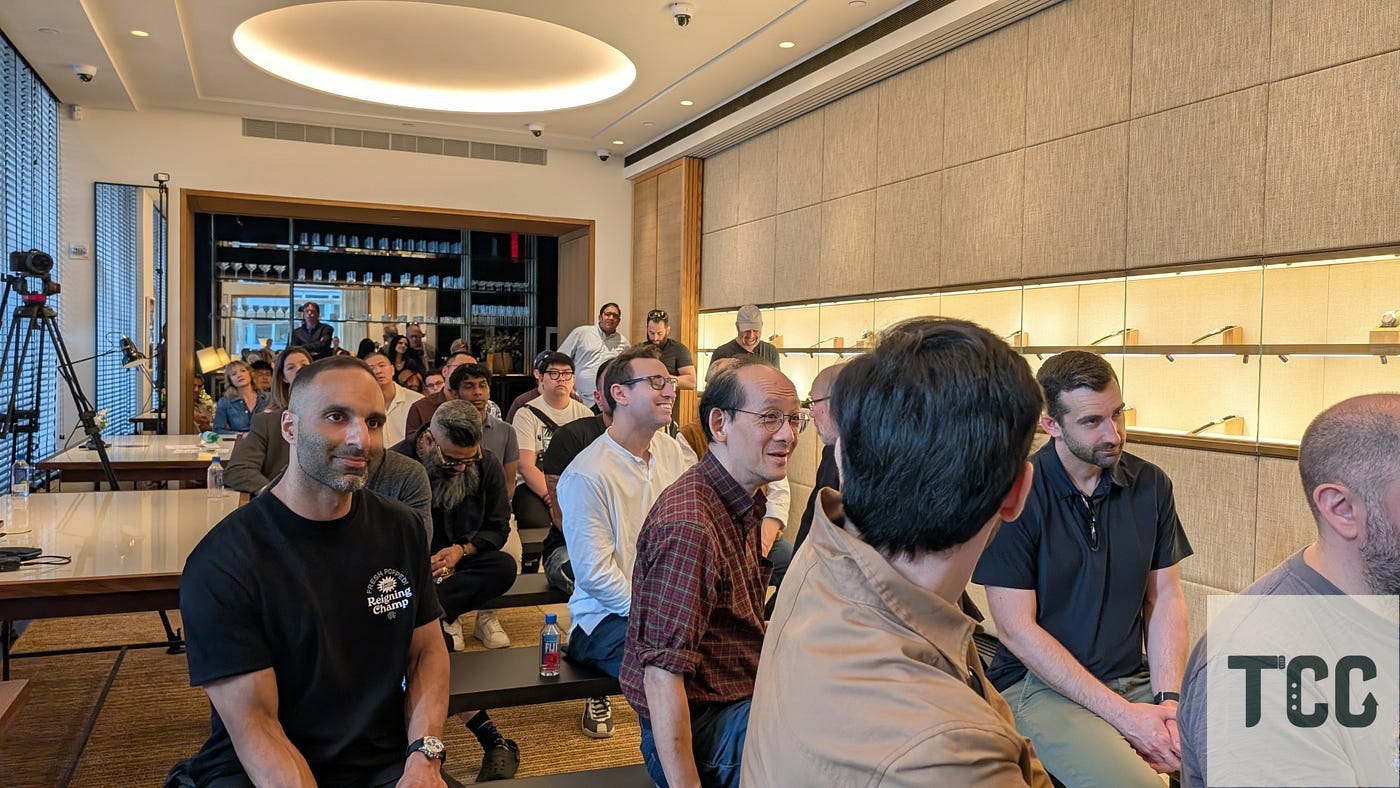
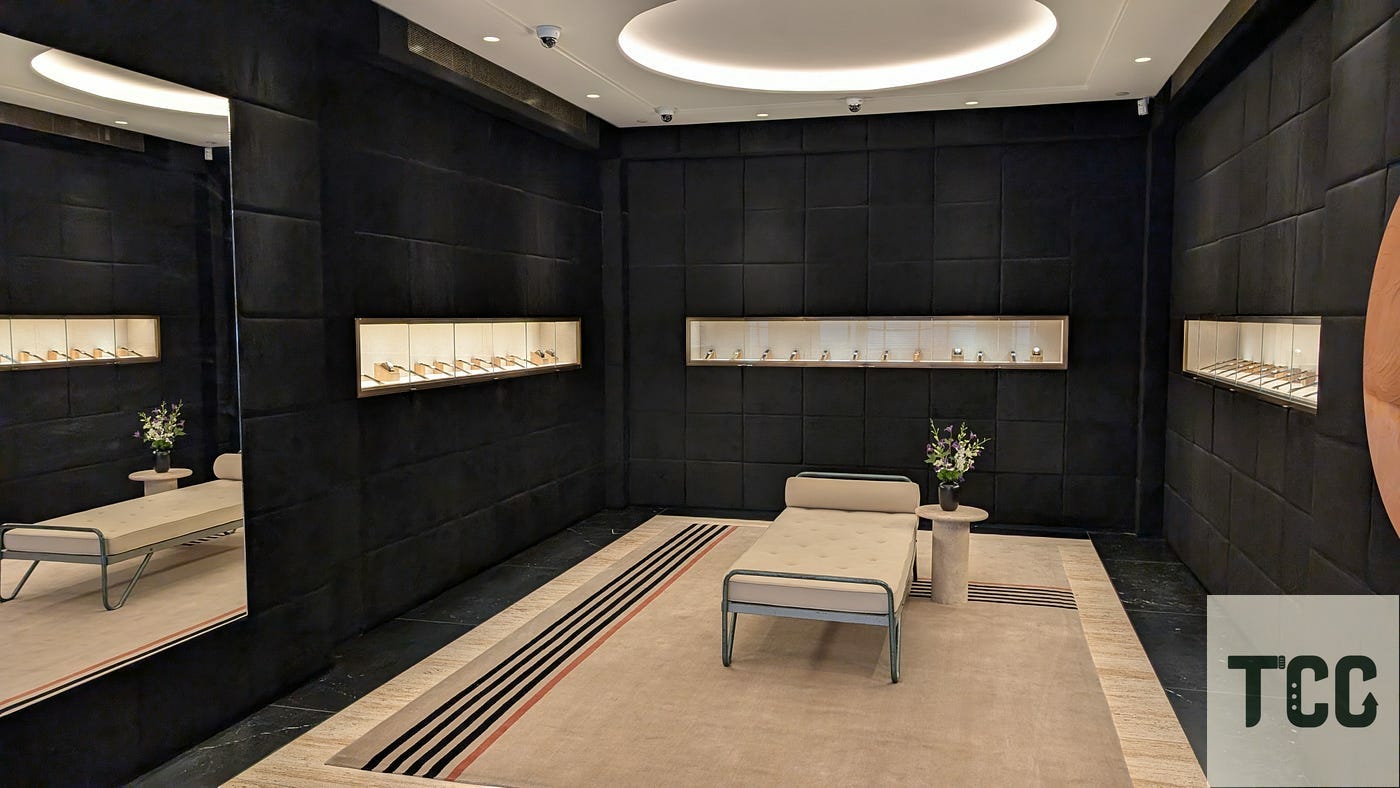
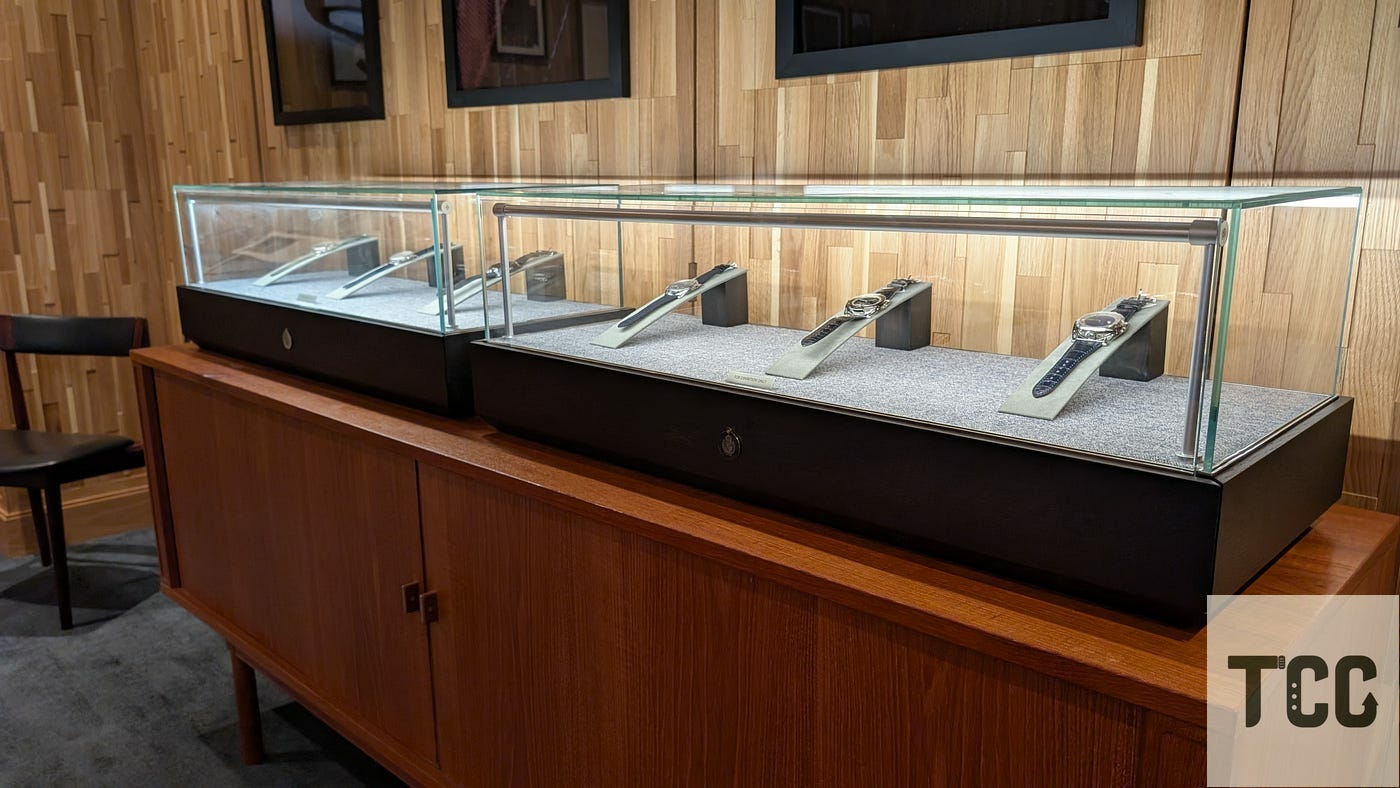
As part of the Madison Avenue Watch Week 2025 programming, I joined an event at The 1916 Company, which seemed to be geared toward newer collectors. Also, I was able to spend more time in the showroom itself compared to my first visit earlier in the week.
“Sometimes the worst decisions make the best stories.” With that tone-setting line, Tim Mosso welcomed a packed crowd to a frank, funny, and sometimes painful exploration of how to build a watch collection — what works, what doesn’t, and what’s just plain absurd.
Alongside Phil Toledano and longtime podcast partner and client advisor Armand Johnston, Mosso led a no-holds-barred conversation that reminded collectors — new and seasoned — that mistakes, heartbreak, and changing tastes are all part of the journey.

Horror Stories and Hard Lessons
The panel began with what everyone really came to hear: the horror stories.
Phil opened with a self-deprecating anecdote about paying $3,000 — then a massive sum for him — for a polished-to-oblivion Breitling. “It looked like a river pebble,” he said, only realizing years later how green he’d been.
Mosso raised the stakes with a chilling tale involving a counterfeit Rolex Daytona, a truck stop on the Eastern European border, and a duffel bag full of cash. The buyer got the watch, technically — but it turned out to be a weighted case full of lead, not a movement in sight. The lesson? “If you’re going to do a deal in person, bring a friend, do it in daylight, get it on camera.”
Armand chimed in with a cautionary tale from Dubai: a man walked in with a briefcase of 50th Anniversary Audemars Piguet watches — many of which had plummeted in value. The twist? He’d taken out loans to buy them. “Don’t finance fun,” Armand warned. “As soon as there’s debt involved, you stop enjoying the watch. It’s not yours. It’s a lease.”
Phases, Fads, and Finding Your Eye
Phil Toledano’s collecting path has meandered through military chronographs, vintage Breitlings, and now rests (for now) on 1970s Patek Philippe and Rolex pre-Daytona references. He likened watch taste to a muscle that evolves: “There are so many nooks and crannies in horology… you’re constantly changing.”
That change, he argued, is often from revulsion to affection. “There are watches I found disgusting for years,” he said, “and then suddenly, I get it.” That insight resonated with Mosso, who emphasized that deep connections often form not with love-at-first-sight pieces, but with ones that demand time and curiosity.
Armand added a rule of thumb for evaluating new releases: “If everyone loves it, it’s mediocre. If half the room loves it and half hates it, you’re onto something.”
Avoiding the Worst Ways to Collect
From the purely practical to the emotionally strategic, the trio offered rapid-fire advice on what not to do:
Don’t buy the cheapest example of a reference — unless you want to beat it up.
Don’t skip due diligence. Ask for a time-setting video to confirm the seller actually possesses the watch.
Don’t buy without a return policy — especially sight unseen.
Don’t be seduced by Instagram. Phil confessed to buying a Rolex “nipple dial” Submariner purely because he’d seen it too many times online — only to realize it wasn’t him.
And perhaps most provocatively: don’t buy on vacation. “It’s like ‘Golluming’ over a ring,” said Phil. “I don’t want my family to see me like that.”
Finding Personal Style and Satisfaction
So, what is the right way to collect?
For Tim, it’s about falling in love slowly. “Spend time researching, trying it on, learning the history. If you fall in love with the process, the watch isn’t just a purchase — it’s an experience.”
For Phil, it’s about authenticity. “Collect watches that reflect who you are — not who Instagram wants you to be.”
And for Armand, it’s about resisting escalation. “You don’t need to spend more and more to keep the high going. Some of my most meaningful watches weren’t the most expensive. They were the most mine.”
The panelists also encouraged collectors to be honest with themselves:
Are you a “new watch person”? If scratches, missing papers, or worn leather bother you, you probably are — and that’s okay.
Are you a box-and-papers completist? Then don’t settle for a naked watch you’ll later regret.
Can you replace it easily? If so, maybe it’s time to sell.
The Met Gala Test
In one of the event’s most charming moments, the panelists were asked what watch they’d wear to the Met Gala.
Phil: his own design, or a rare vintage piece like a Zerographe — “something no one else would have.”
Tim: his grandfather’s Omega De Ville — a tribute to family and working-class pride.
Armand: something flamboyant, like a spiky jeweled timepiece with a hidden dial. Or, more cheekily, an Richard Mille 69 Erotic Tourbillon.

Final Thoughts: Collect What Connects
Ultimately, the discussion reinforced that principled collecting isn’t about following rules — it’s about breaking them consciously. It’s about knowing when to chase, when to wait, and when to walk away. Most of all, it’s about letting watches be more than objects.
They’re stories, memories, and sometimes even metaphors.
As Phil said, “There’s something lovely about a small, vintage watch. It’s like an old slipper. It doesn’t shout. It just feels… right.”
A note on accessibility: The Fuller Building, where The 1916 Company is located, was completed in 1929. The building’s management confirmed to me that the “building does not have a public ADA restroom” so if you need accommodations then reach out to any of The 1916 Company team members to coordinate your visit.
Note: this article was originally published on Medium on May 9, 2025.
Subscribe to The Collector’s Compass — a guide for thoughtful watch enthusiasts navigating a changing market.
Stories you won’t find in press releases or hype cycles.
📫 Join the free newsletter to get new posts directly in your inbox.